
Personalized one-on-one creative learning for neurodivergent children, teens, and adults.

Studio-Based or In-Home Sessions in the San Diego AreaOnline Options Coming Soon

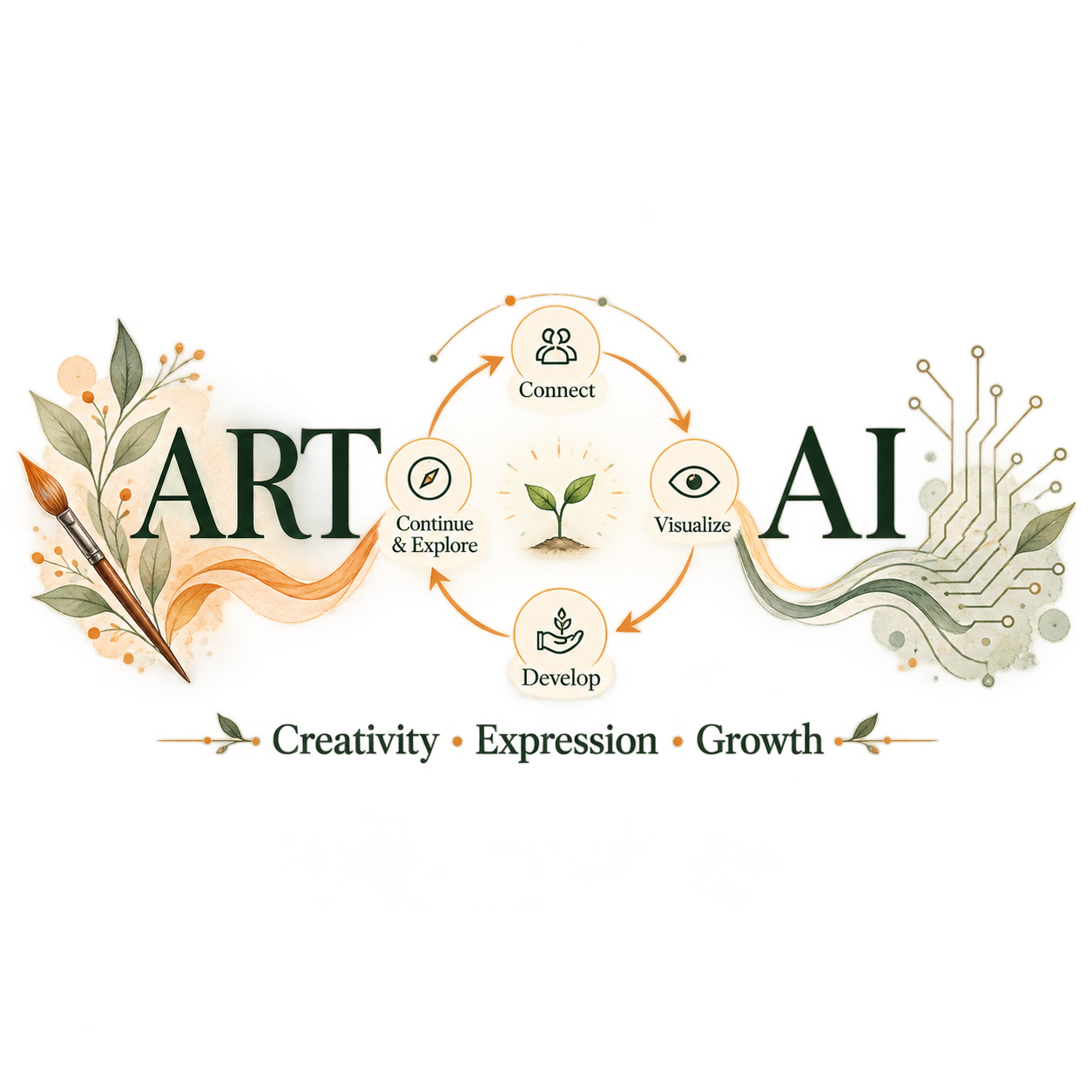
Art and AI connected through the A&A cycle: Connect, Visualize, Develop, Continue and Explore

We use art and AI as tools to help learners connect, create, and grow their own ideas.

As AI gives more people new wings to create, we want every learner to grow wings of their own.

Art · Storytelling · Design · AI

A&A
METHOD

The progressive A&A Method journey: Connect, Visualize, Develop, and Continue and Explore, carrying an idea outward through colorful flowing ribbons.

How a Rock Became a World

A case study in how one tiny starting point can grow into characters, relationships, and a connected story world.

One day, Aiden tried to taste a rock. Daddy's reply — “Only chickens eat rocks.” — sparked a new line of interest. From that small moment, the idea began to grow into drawings, characters, recurring interests, and an expanding story world.

01

A Small Beginning

Our story started with a rock.

Aiden's illustrated rock, the small starting point for the story
02

A Moment of Interest

Aiden tried to taste a rock. Daddy said, “Only chickens eat rocks.” That small interaction became the next point of interest and opened the door to the story.

Aiden and Daddy at the moment when the rock became a point of interest
Character cards showing a chick, hen, and rooster
03

Drawing the World

The idea did not stay with the rock. Chickens, caterpillars, danger, familiar characters, and recurring animals began appearing across the drawings. Each drawing created another place where an earlier interest could return and connect with something new.

Aiden's first original drawing in the expanding rock story world
Aiden's second original drawing with recurring animals and characters
Aiden's original drawing of the chick eating a rock and the chicken family responding
04

Expanding the Story

The original idea continued to grow into a fuller story world — with family roles, problems, treatment, recovery, humor, and new side stories.

AI helped visualize, preserve, and continue ideas that had already begun to grow.

The first AI-assisted visual sequence showing the chick eating a rock
The second AI-assisted story image showing treatment and recovery
A twelve-panel side story continuing the chicken and rock world

Stories that continue
to grow.

Open the complete case-study PDFs to see each project's starting point, original language and drawings, creative development, and possible paths for continued exploration.

01

Interest, drawing, conflict, and story development

02

Sequencing, self-correction, care, and recovery

03

Characters, cause and effect, dialogue, and extension

04

Pattern, sequence, collaboration, and a connected world

05

Memory, movement, control, and problem-solving

06

Music, characters, performance, and shared play

07

Imagination, suspense, characters, and an unfolding adventure

08

Observation, insects, relationships, and a growing garden world

09

Myth, elemental forces, sequence, and world-building

10

Memory, music, physical play, and creative recombination

11

Drawing, dialogue, participant-led revision, and animation

12

Animal voices, weather, emotion, reassurance, and resolution

13

Original drawing, learner-led storytelling, revision, and visual reasoning

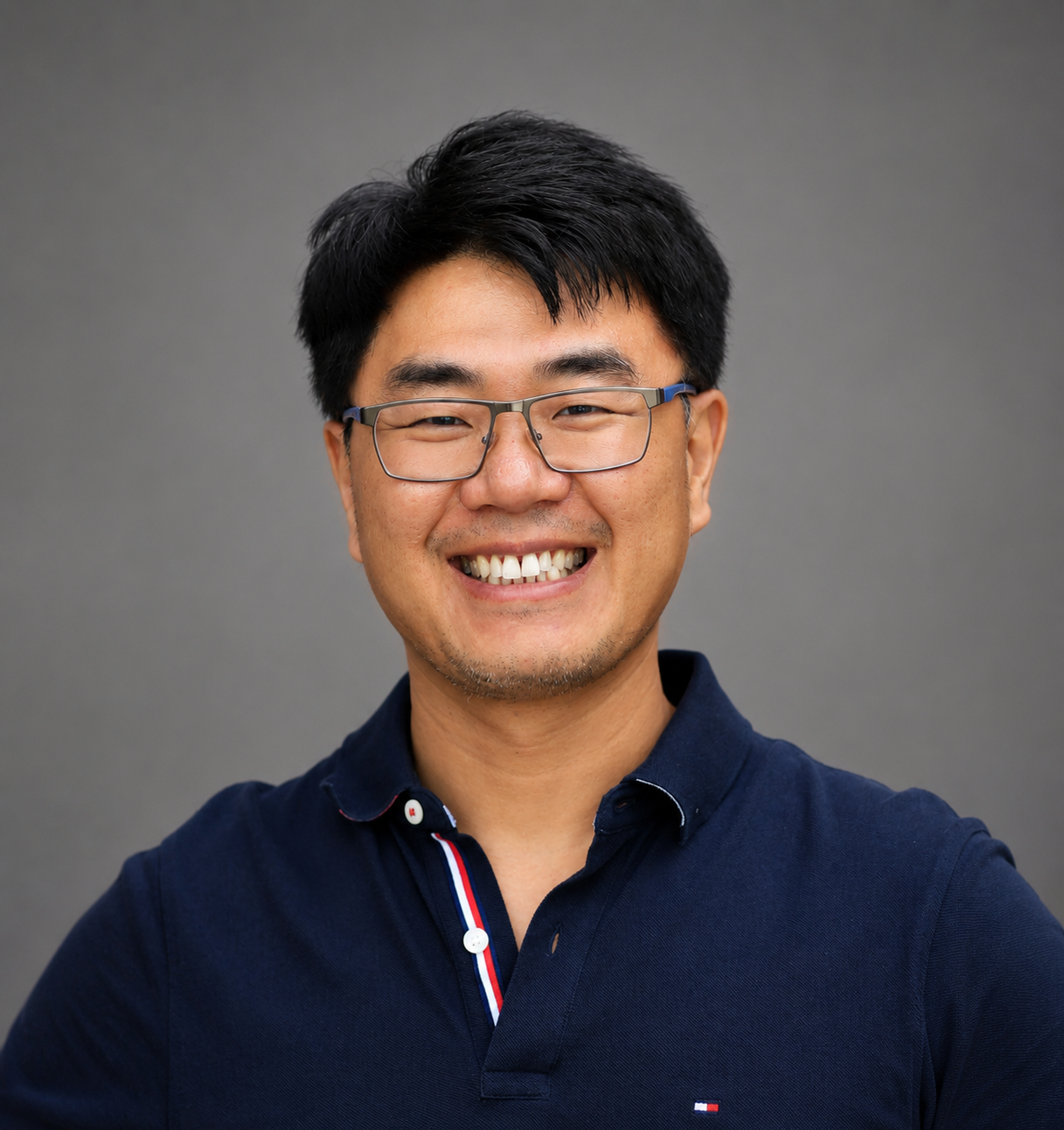
Portrait of Shawn Jian Gong, founder of A&A Craft Studio

I'm Shawn (Jian) Gong, founder of A&A Craft Studio and an architectural designer. For much of my professional life, I have worked on turning vague ideas into something real — observing, sketching, testing, revising, and gradually giving form to an idea. I thought that would remain the central question of my career. Then I began learning alongside my son, Aiden.

Aiden experienced significant challenges with communication, learning, and understanding. Over the years, we tried art, language, movement, sports, and many other forms of instruction. Some teachers connected with him; others, despite being skilled in their own fields, made very little difference. I gradually realized that for many neurodivergent learners, progress does not begin with the subject being taught. It begins with engagement — noticing what already holds the learner's attention, listening to how they communicate, and helping their own ideas grow.

Today, that idea is very personal to me. Aiden now actively seeks me out, reaches for my hand, and pulls me toward things he wants to share. Those moments may look ordinary from the outside, but to me they represent something much deeper: engagement is not simply a teaching strategy; it is a relationship. That relationship is often where communication, learning, and growth begin.

That realization became the foundation of A&A. I began to see a connection with my work in design: ideas rarely arrive complete. We observe, connect, visualize, revise, and continue. Art helps us reach the idea. AI can shorten the distance between an idea and something the learner can actually see, making it possible to respond, revise, and continue before attention is lost. Human interaction keeps the learner part of that process.

My bilingual experience has also shaped how I think about expression. English is not my first language, and I know what it feels like to have an idea that is richer than the words immediately available to express it. For some neurodivergent children and adults, that distance between inner experience and outward expression can be much greater. A&A uses art, AI, and sustained human interaction to help build a bridge across that distance.

Some breakthroughs may look small from the outside — a new word, a new connection, a different understanding of “you” and “me.” But they may represent many earlier conversations and attempts slowly accumulating into understanding.
Every person deserves to be understood — not only in one moment, but throughout their life.

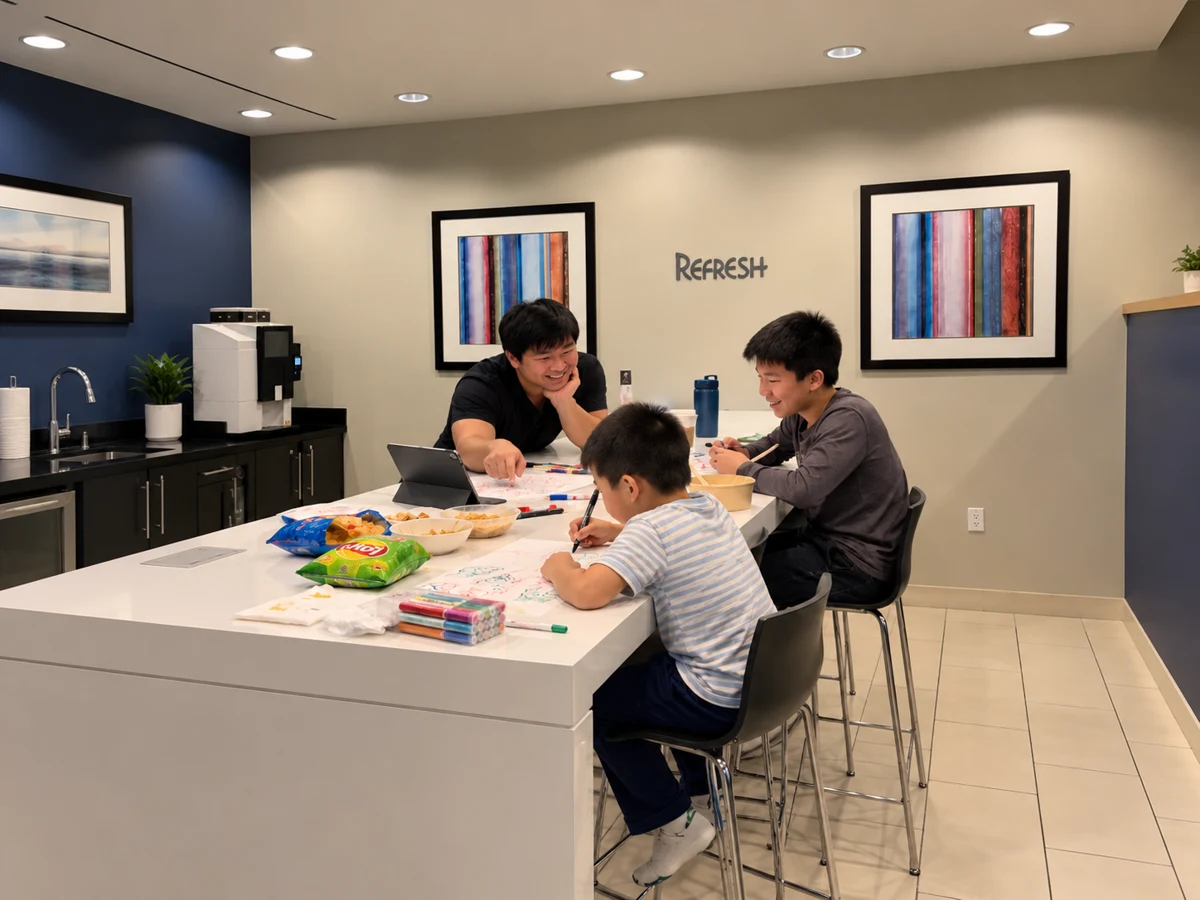
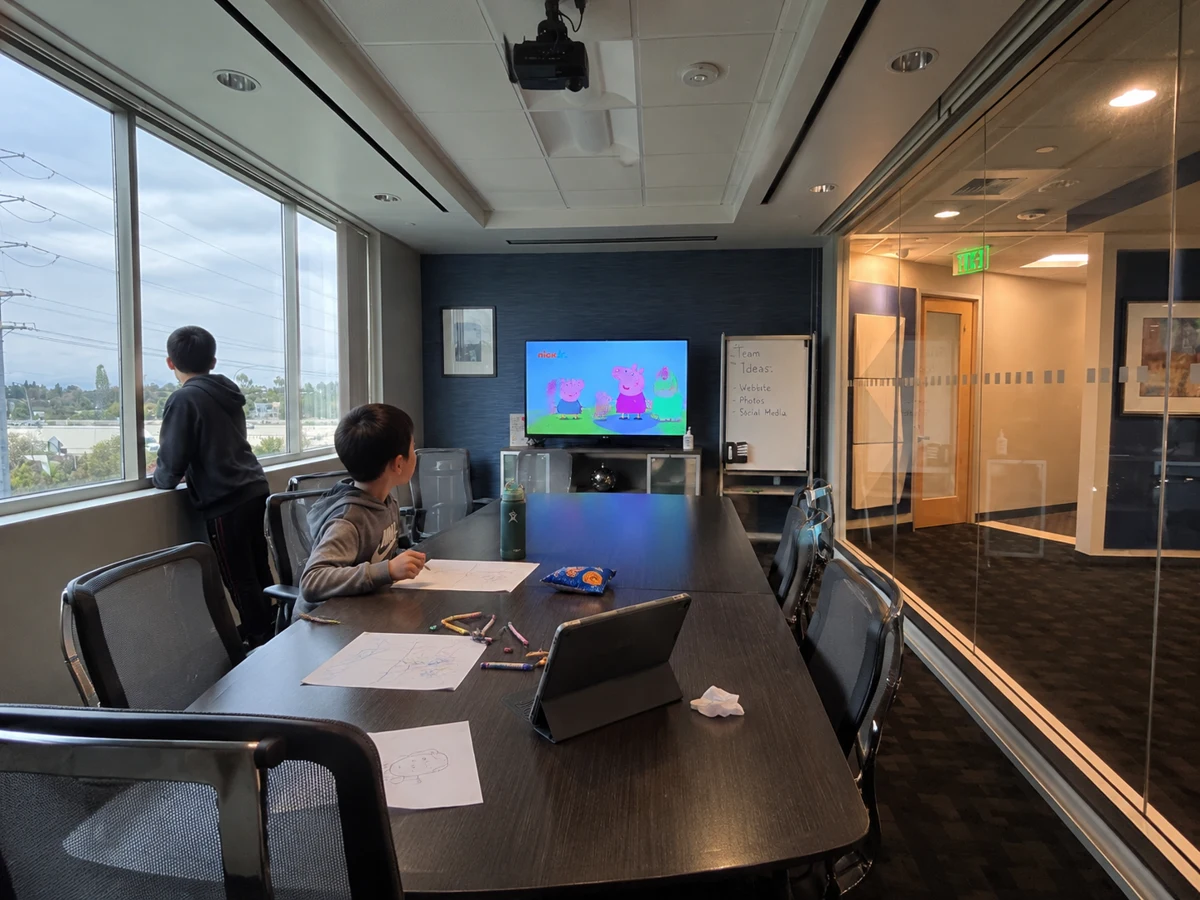
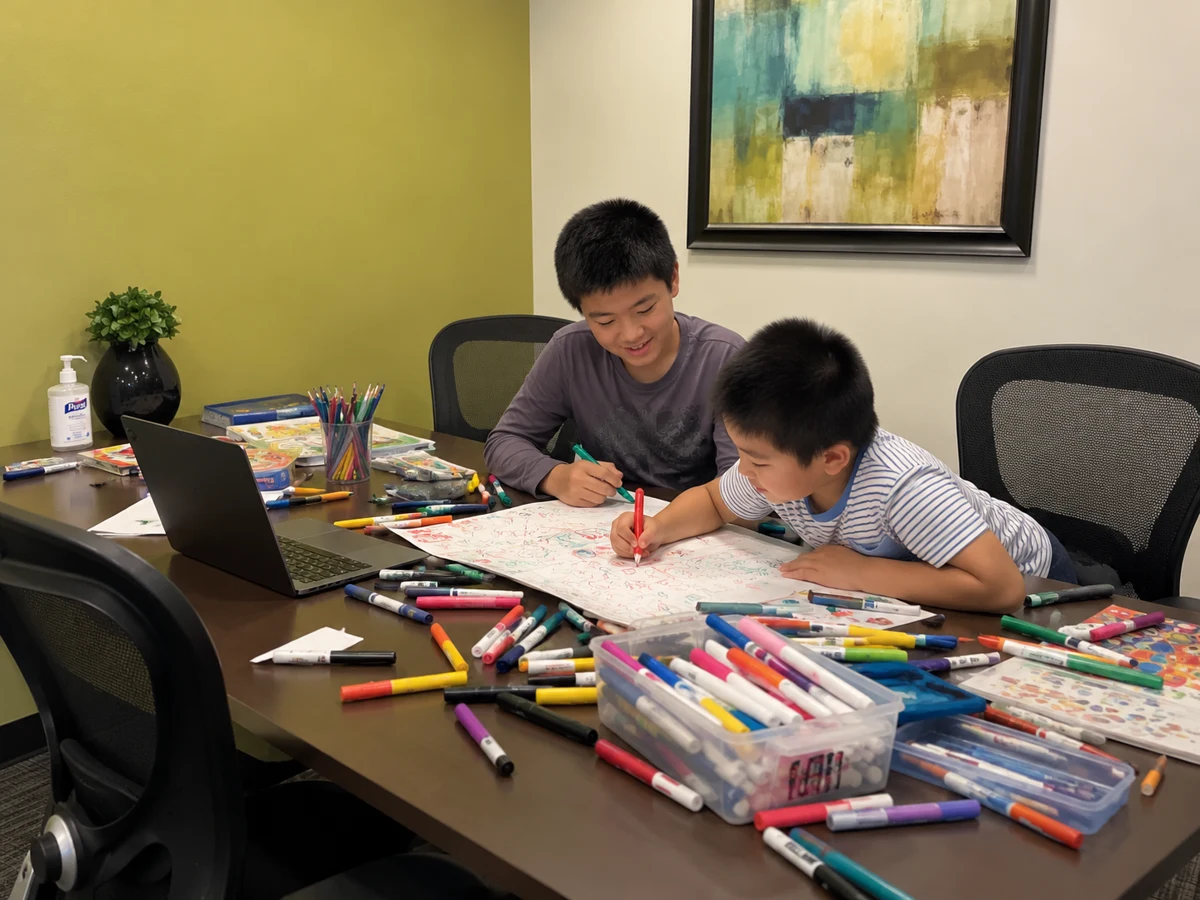
A&A Craft Studio indoor learning space
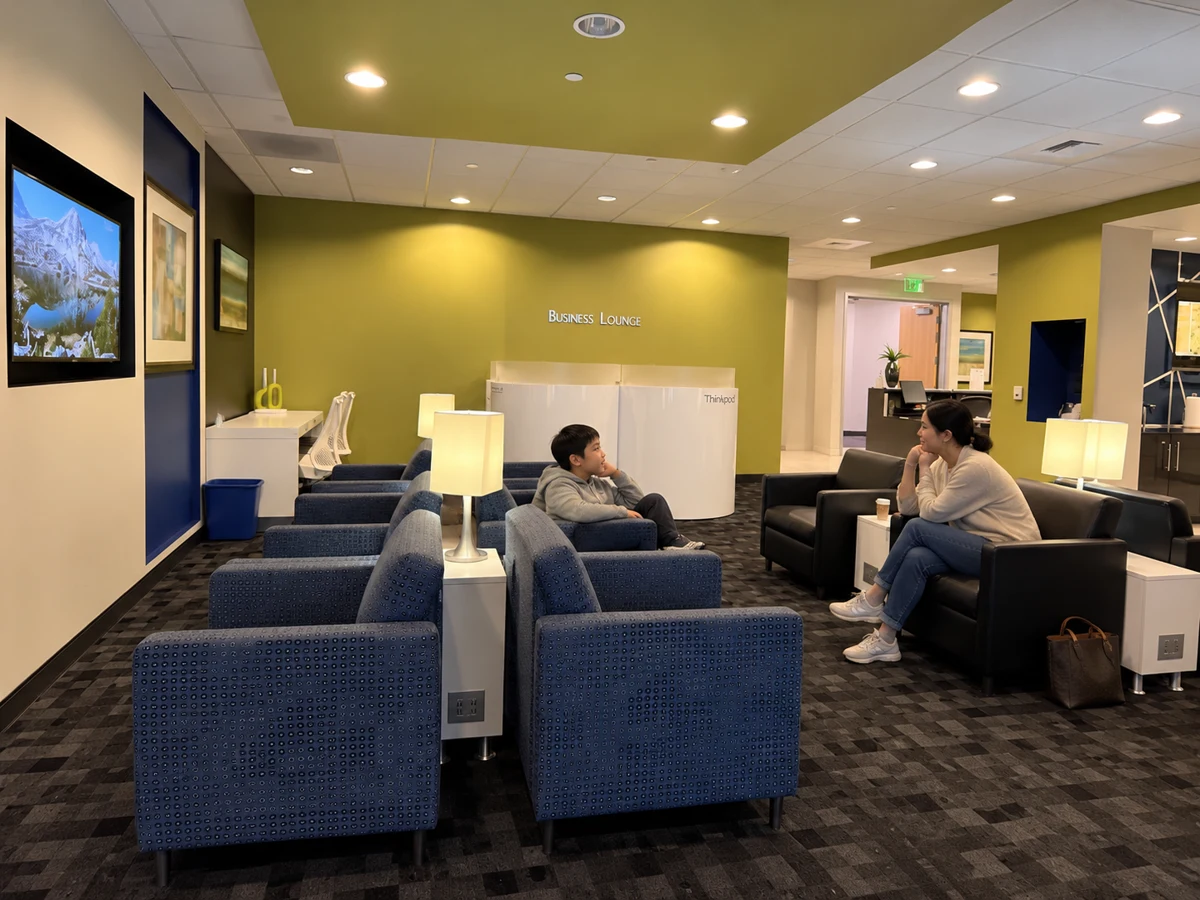
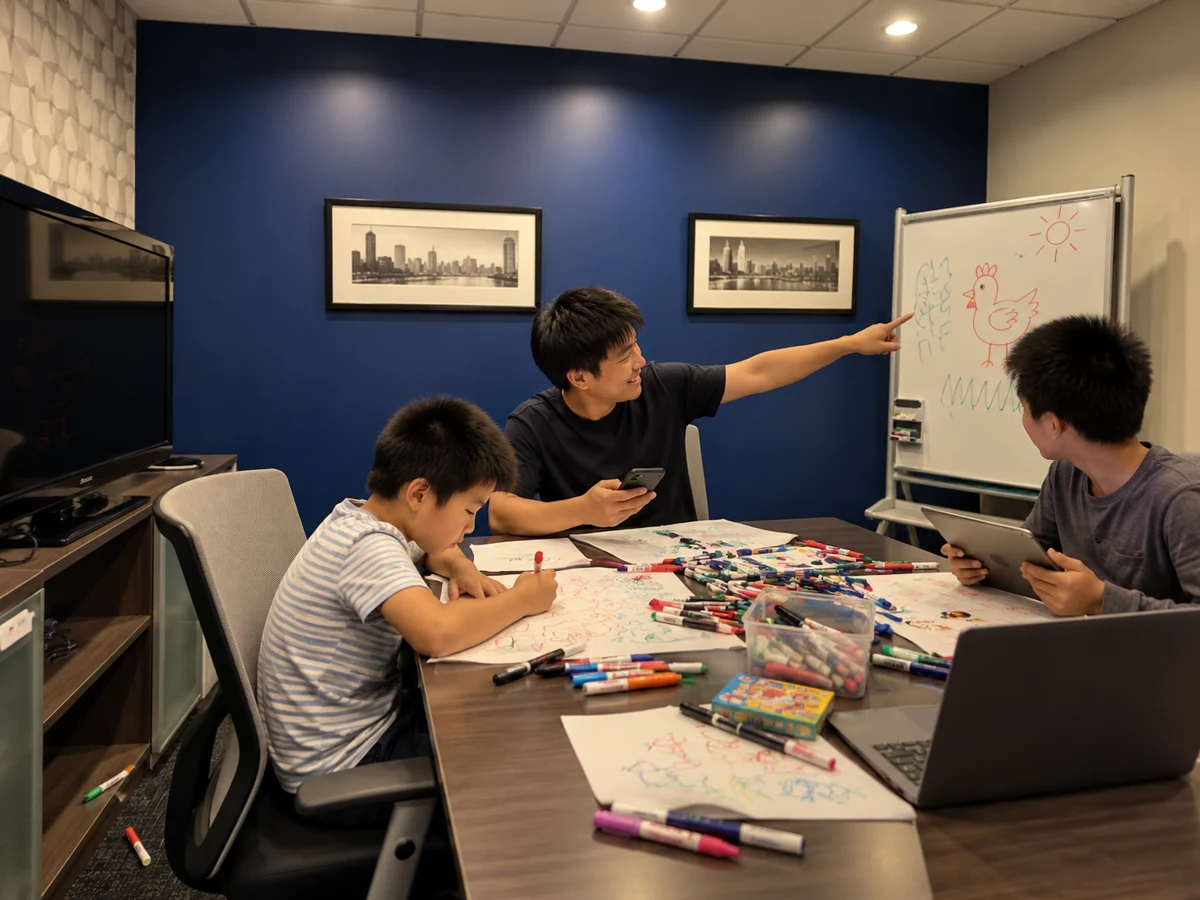
A wider view of the A&A Craft Studio indoor space
A&A Craft Studio covered outdoor space

Share your experience.

We welcome brief reflections from families after their visit to A&A.

Share Feedback